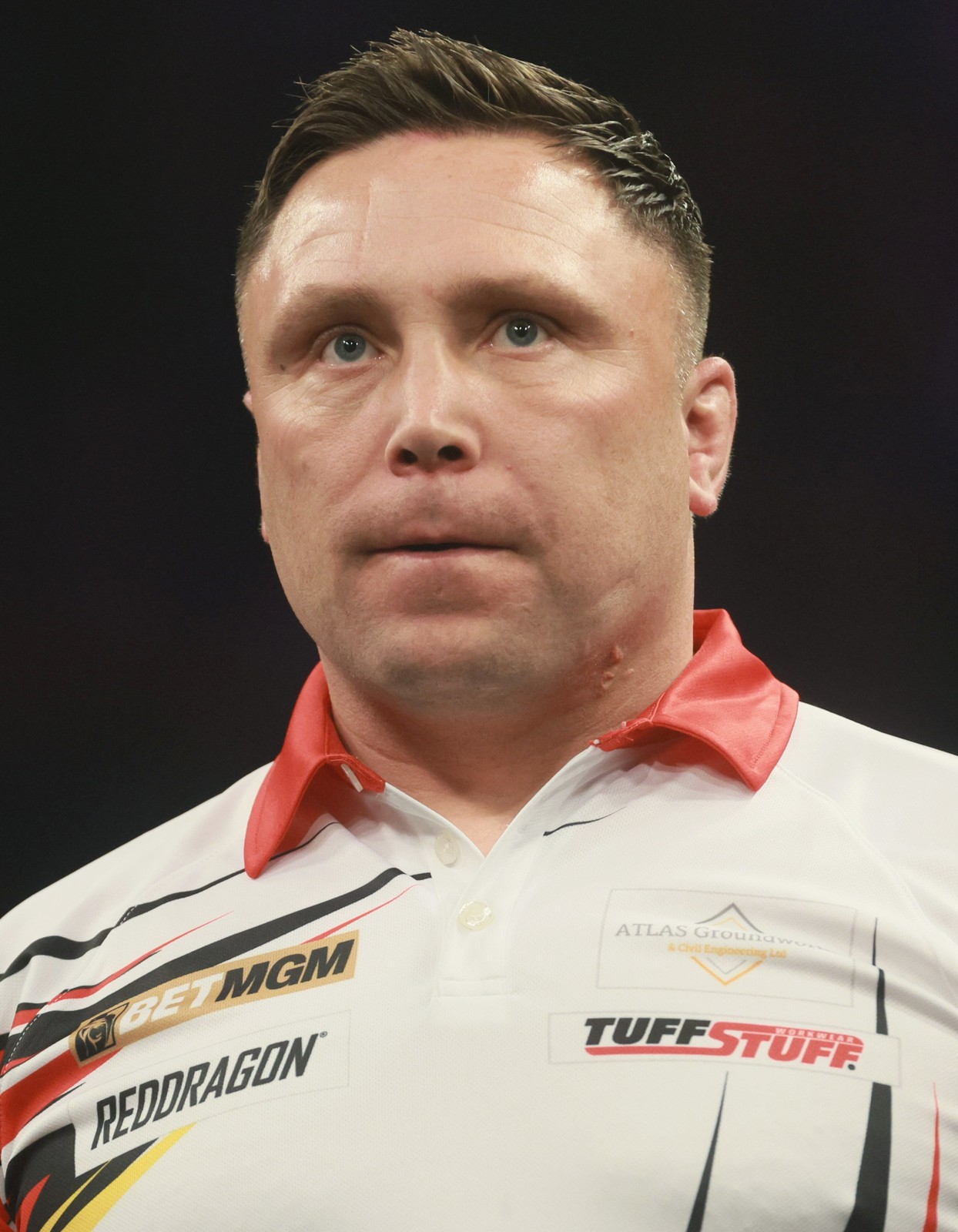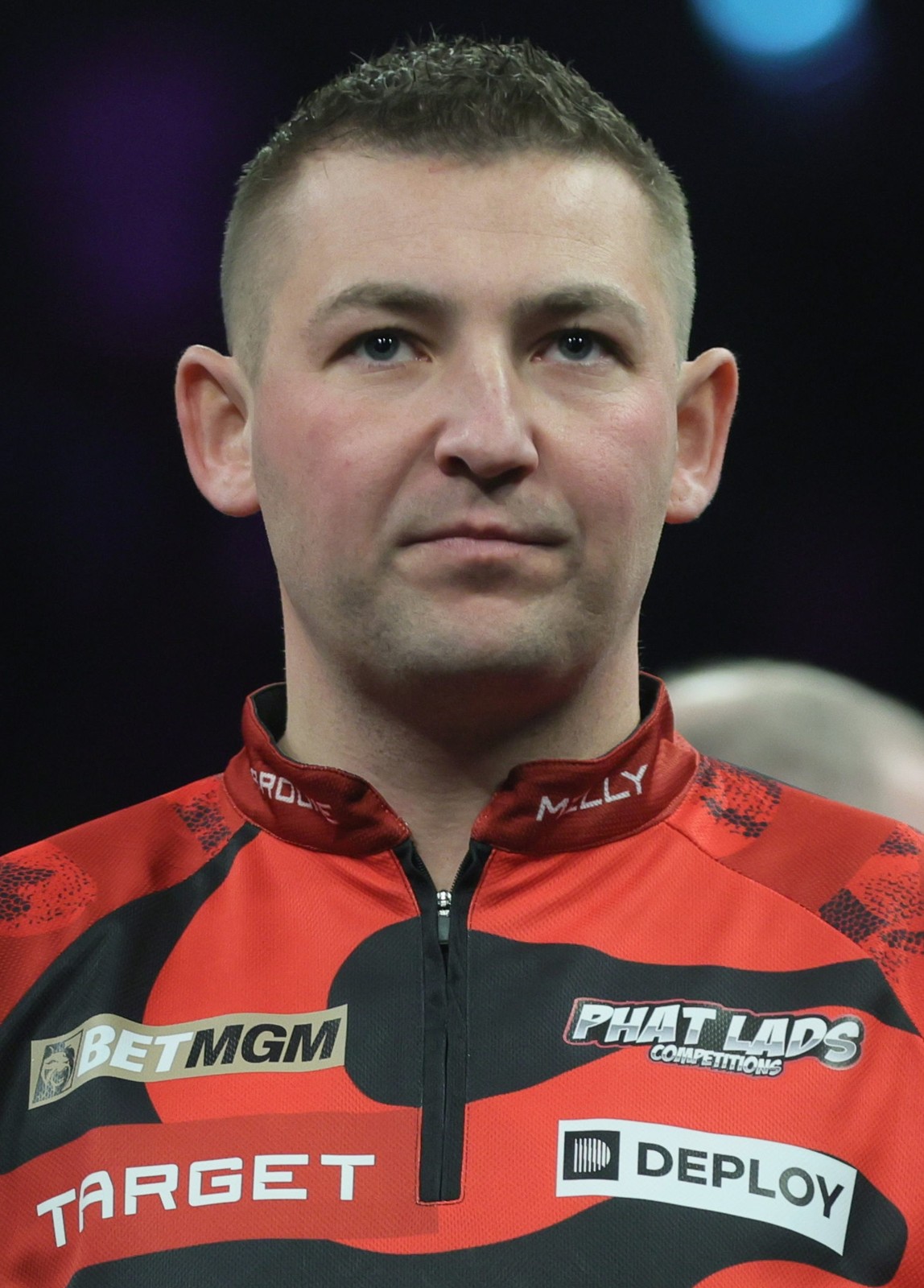
Nathan Aspinall has revealed dartitis still has not fully left his game, despite the former UK Open and World Matchplay champion undergoing intensive hypnotherapy and sports psychology work to battle one of darts’ most feared mental blocks. Speaking on the Happy Hour Podcast with Jaackmaate, Aspinall offered one of his clearest explanations yet of how it affected him, why he believes it took hold, and why he is now hearing more young players ask for help with the same problem.
For Aspinall, the block was centred on the first dart. “Mine was different,” he said. “I couldn’t throw it, but as soon as the first one went, the next two would follow. It was that first dart.” Asked what was going through his mind on a pressure dart, Aspinall initially joked: “Don’t miss.” But the answer quickly returned to the problem that has shadowed his career. “I was overthinking it, which is what causes dartitis,” he said. “I put so much pressure on myself.” He described dartitis as a mental battle rooted in fear, pressure and anxiety. “It’s the fear of missing,” he said. “Some people call it the yips, like in golf. You over-putt. I had that as well. It’s horrible. I’m not going to lie.”
The 32-year-old also stressed that dartitis does not hit every player in the same way. He pointed to former Lakeside world champion Mark Webster as an example of a more severe version, where the release itself becomes visibly disrupted. “There are different forms of dartitis,” Aspinall said. “There are ones where you physically just can’t let the dart go and you’re moving with it. That’s what Webby had. That’s the worst one.” Aspinall can now laugh about the jokes from fellow professionals, including Jonny Clayton, but he made clear the problem has not vanished completely. “Clayton always gives me stick,” he said. “He’s like, ‘Have you packed your darts this weekend?’ That kind of thing. I can laugh about it now, because I’ve still got a bit of it. It’s not completely gone from my game.”
Aspinall worked with sports psychologist Shawn and hypnotherapist Chris O’Connell to get the issue under control. “I worked bloody hard,” he said. “I had Shawn, my sports psychologist, and Chris O’Connell, doing hypnotherapy. I was doing hypnotherapy twice a week and seeing a sports psychologist once a week.” For Aspinall, the key was understanding the stress response behind the block. He described dartitis as something that made his brain react as though he was having a panic attack when he could not release the dart properly. “Basically, when you have dartitis, you have a panic attack,” he explained. “Every time you can’t throw that dart effectively, your brain thinks you’re having a panic attack. Why do you have a panic attack? Because you’re anxious, stressed, this, that and the other. That was why I had it.”
Aspinall admitted he was sceptical at first. That changed once he felt the impact. “I was dead sceptical at first,” Aspinall said. “I didn’t believe in it. But for me, he’s amazing. He changed my life.” The benefits extended beyond darts. Aspinall said the work changed how he handled setbacks, family life and pressure away from the stage. “It changed my darts, and it also changed me as a person,” he said. “The way I am at home, the way I process stuff, the way I deal with defeat, or an argument with the missus, or the way I deal with my kids. I’m more relaxed and chilled.” Aspinall remains grateful for the help he received, even if the issue still lingers. “Chris is working with a lot of people on the tour now,” he said. “He got me through my darts. As I say, it’s still there in bits and bobs, but I owe him a lot.”
Aspinall’s own experience has made him a sounding board for others. He revealed that dartitis has become one of the most common topics raised with him at exhibitions. “I speak to a lot of them,” he said. “It’s probably the most common question I get asked at an exhibition: ‘Can you help me? I’ve got dartitis.’” That is where Aspinall sees a worrying trend. He believes the pressure on young players has intensified as the sport’s academy system grows and the Luke Littler effect reshapes expectations. “The reason the kids have got it is simple,” said Aspinall. “They want to be a professional dart player like Luke Littler so quickly. That’s it. They’re putting that much pressure on themselves to be good quickly. That’s why they’re getting it, in my opinion.” Aspinall sees the upside of the academy boom, but the new landscape also brings sharper stakes. “The problem now is that, as good as darts is with all these academies, there are 13 and 14-year-old kids playing darts for two or three grand,” he said. “That’s mad.” His advice to young players is not complicated. Slow down, enjoy the game and stop trying to force the timeline. “I keep saying to kids: stop worrying,” he said. “If it’s meant to be, it’s meant to be. Bide your time. Enjoy it. Stop putting pressure on yourself.” For anyone already dealing with dartitis, Aspinall’s message is equally blunt. “If you’ve got it, just don’t give in,” he said. “I always say to people: don’t give in. You can beat it.”