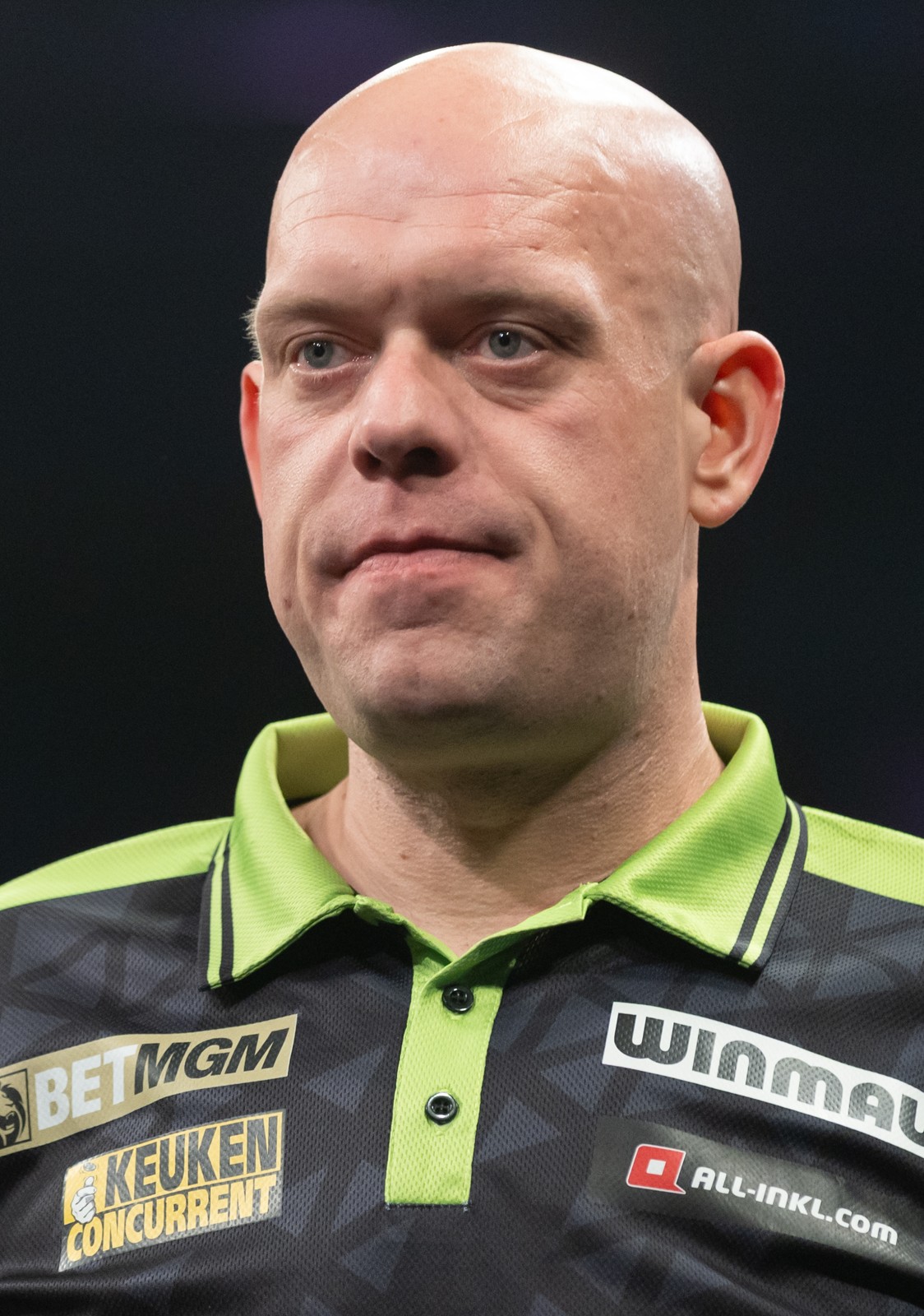
Darren Webster has never needed much encouragement to tell a story, but behind the familiar chaos of ‘The Demolition Man’ is a player whose final years on the PDC Tour became defined by pressure, frustration and the brutal reality of chasing survival. A PDC major semi-finalist, former world number 13 and multiple-time PDC World Darts Championship quarter-finalist, Webster spent more than two decades in the professional game before stepping away.
Speaking on MODUS Super Series’ Tungsten Talk, the 57-year-old admitted the end of his regular PDC run became a very different version of darts to the one he had loved for so long. “At the end of the PDC career there, you start to have to win games of darts,” Webster said. “If you don’t win, you are going to lose your card and you are going to lose money. Everything then is pressure.” That pressure became impossible to escape. Webster returned to Q-School after losing his Tour Card, only to miss out in brutal fashion. “I went to Q School and missed by one leg,” he recalled, adding that “if I hadn’t turned up early, I would have got in by a leg.” Instead, he said, “because I turned up, I lost the card by one leg.”
For Webster, that was not just another narrow sporting defeat. “The pressure is on then,” he said. “Your head has gone and things go on you. That is darts pressure.” The end of Webster’s PDC spell did not immediately become a relaxed veteran tour. For a while, he did not want darts at all. After a Challenge Tour appearance and a return to MODUS, Webster felt things “just got on top” of him. His reaction was blunt: “I said to myself: I have done it for 23 years now. I just need a break.” At that stage, even a comeback was not on his mind. Webster said he “wasn’t interested in coming back or doing any more darts” before his son-in-law started playing and gradually pulled him back towards the board.
Now the rhythm looks very different. Webster is practising again, playing three times a week, and recently returned at the Dutch Open. More importantly, the old survival equation has gone. “Now, for me, I don’t have to win anymore,” he said. “I can be happy, come here and want to win a game of darts with no worries.” That change has altered the whole feel of the game for him. With work matters now settled, Webster said his focus is simply “to enjoy it and still kick a few butts.”
Webster’s slide did not come out of nowhere. He traces the start of the downturn back to the COVID period, when tennis elbow hit him just before the sport was disrupted. At the time, he had ranking money to defend after regular runs to quarter-finals and semi-finals. “For the six months before that, and then when COVID kicked in, I had points to defend,” he said. “I couldn’t defend what I had got. So I went from up there to basically out.” Away from the oche, the same period brought another blow. Webster’s business suffered during the pandemic and he eventually dissolved it. He stressed that he did not go bankrupt, but said the process “cost me everything.” That left darts carrying even more weight. “After that, it was all pressure,” he said. “It was all, ‘You’ve got to do this, you’ve got to win.’”
Webster sees echoes of that battle in Michael Smith’s current position. When he was 13th in the world and playing every TV event, Webster said he could stand on stage “with a smile” because he wanted to win rather than needed to win. Once that security disappears, everything changes. “When you get to that point, your brain goes,” he said. “Tempers flare, everything annoys you, and that is what it did.”