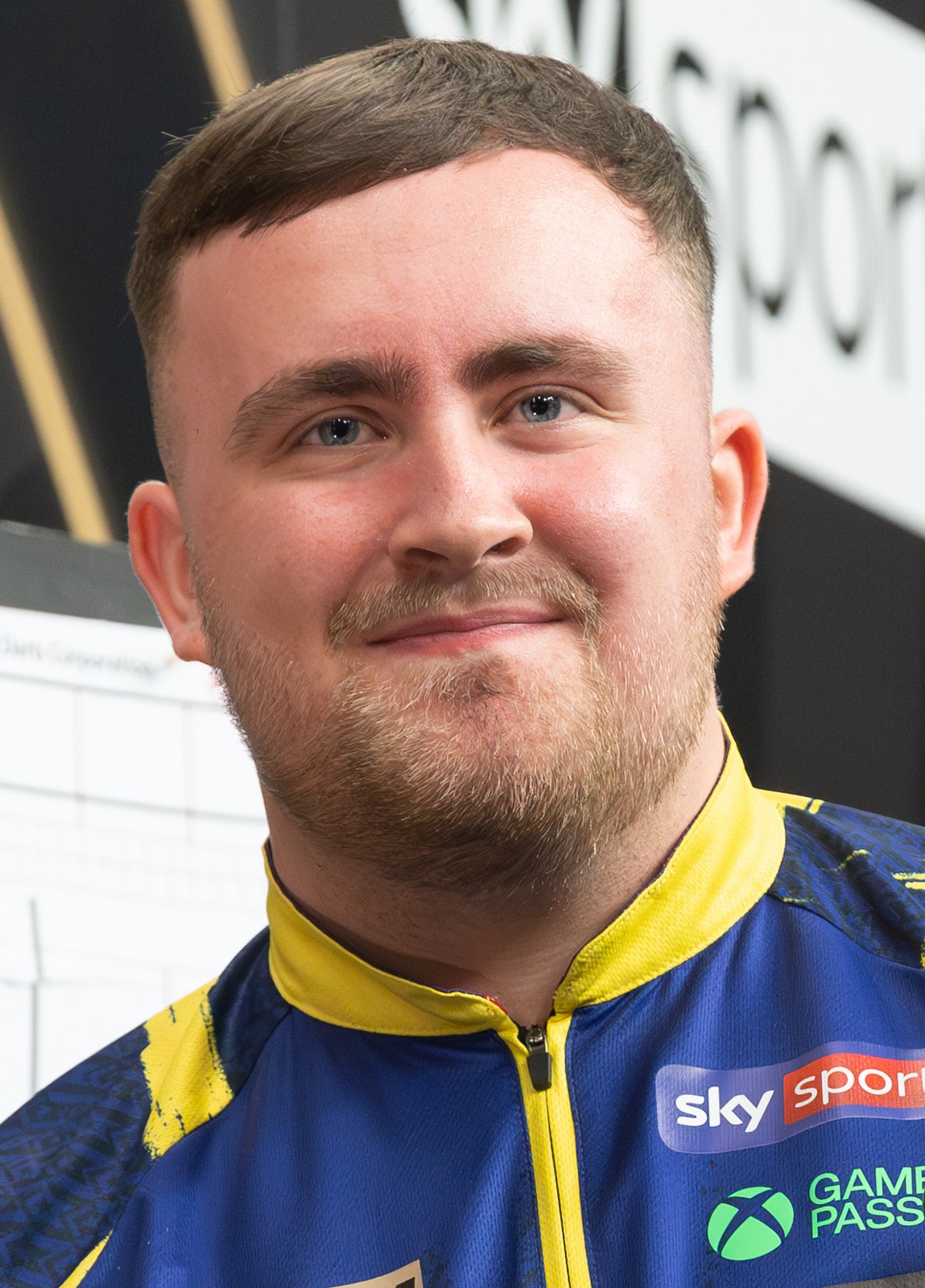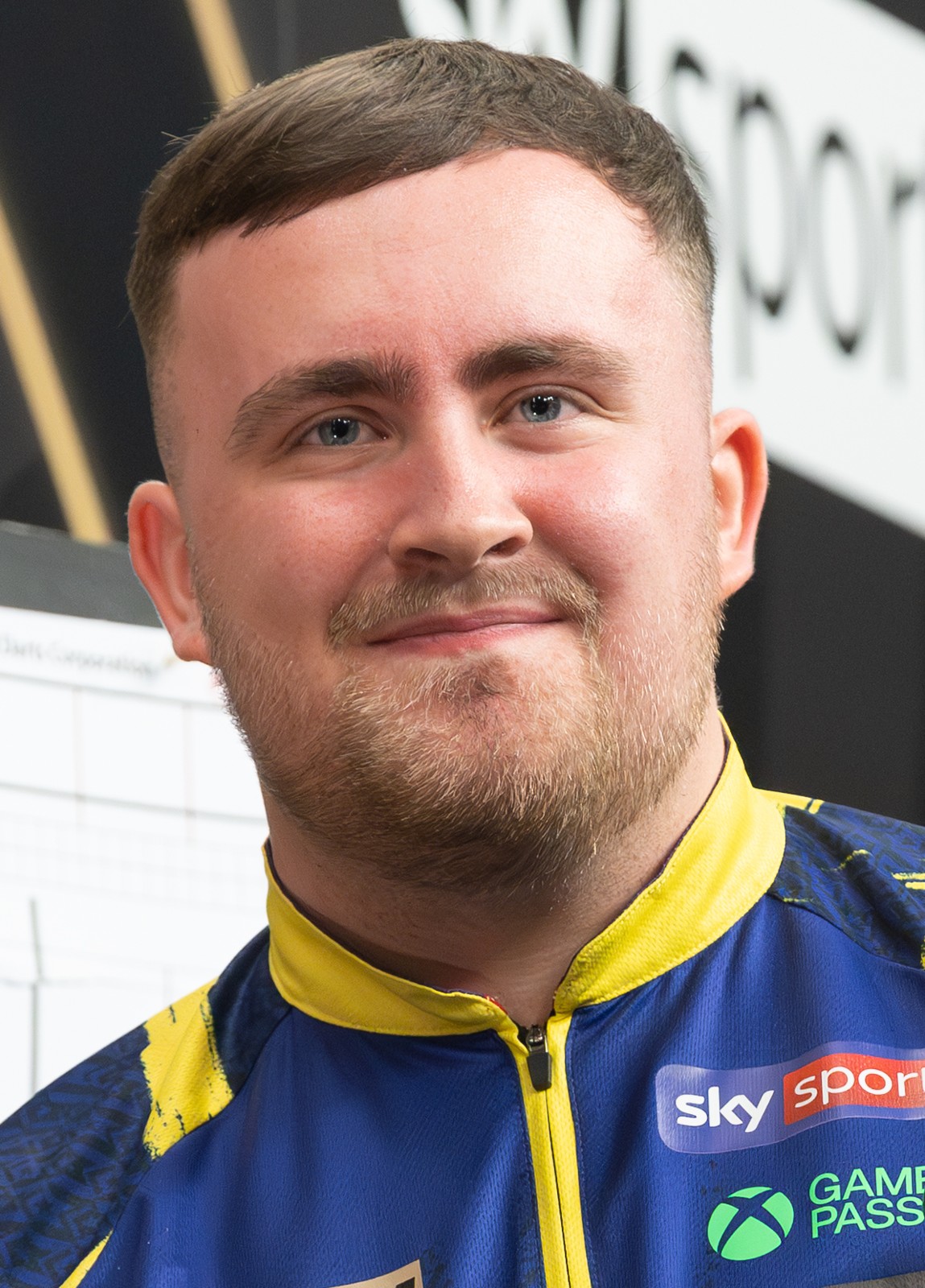
Fallon Sherrock walked away with £501,000 after defeating Luke Littler, but Netflix's first live darts spectacle has continued to provoke debate long after the cameras stopped rolling. Gary Lineker's presenting, the inclusion of established players alongside genuine amateurs and the contestants left waiting backstage have all come under scrutiny. Yet amid the criticism of Beat Luke Littler, there is also a suggestion that the controversy itself could be exactly what Netflix wanted.
The fallout was dissected on the latest DartsNews Podcast, where Samuel Gill delivered a particularly damning assessment of the broadcast, Kieran Wood questioned whether Netflix had squandered some of its most compelling human-interest stories, and Nicolas Gayer wondered why an evening of entertainment had generated such fierce arguments in the first place.
Twenty-four contestants had been selected for Beat Luke Littler, with a maximum of 20 able to face the world champion in individual legs of 501. The first to defeat him would collect £501,000, bringing the competition to an immediate end. Littler dispatched 14 challengers before Sherrock produced a 15-dart leg to secure the prize. Her victory sparked emotional celebrations alongside her son Rory, but also left several contestants without the opportunity to compete, including highly rated Scottish teenager Mitchell Lawrie.
For Gill, who watched and covered the broadcast, the evening had become a frustrating experience well before Sherrock stepped onto the stage. "It was kind of mind-numbing, in my opinion," he admitted on the DartsNews Podcast. "I wasn't against Fallon Sherrock winning it. I do not care about that. Seeing the images of her and her son Rory on the stage was brilliant. It was kind of written in the stars for me that either her or Mitchell Lawrie would end up winning it anyway."
The outcome nevertheless exposed an uncomfortable consequence of the format, with some of the most intriguing challengers never getting their opportunity. "The crying shame was that these players were in the back room, not only Mitchell Lawrie but Ashley Coleman and others, and they didn't even get a chance on the stage," Gill said. "The big crux of it before the actual darts were thrown was that we had a back-up plan in case Littler lost early. But that back-up plan wasn't utilised anyway because they interviewed Fallon Sherrock and then went off air."
Even before that abrupt ending, the succession of individual legs had begun to feel repetitive. "You had players being picked out, going to the stage and playing Luke Littler for a leg. They'd chat at the desk for five minutes, another player would get picked, they'd get beaten, and it was like 15 times this was done before Fallon Sherrock came out," Gill recalled. "That was a bit annoying because it was boring after a while and needs to be rethought if it's done next year."
Former England international and long-serving Match of the Day presenter Gary Lineker had been handed the reins by Netflix, bringing one of British sport's most recognisable broadcasters into an unfamiliar darting environment. Gill was far from convinced by the appointment. "I wasn't a massive fan of Gary Lineker fronting the coverage. For me, he's not a good fit for it," he argued. "It's bringing people into the sport who don't really have a lot of knowledge. They're flown in because they're a big name in sports presenting, but aren't very good at their job in terms of darts, realistically."
For Gill, there were obvious alternatives within the sport itself. "You could have had someone like Dan Dawson presenting it, who knows the sport probably better than anybody in the space," he suggested. "Laura Turner is great on Sky Sports, Richard Osman knows what he's talking about, and Lee Mack adds a comedic element."
Wood found more to admire about the production itself, particularly the central walk-on through the crowd and the decision to position the studio desk inside the arena. Some of the exchanges behind that desk, however, left him scratching his head. "The presenters' job is supposed to make the viewer understand better and make them more interested. But what they did more was just confuse," he said, referencing criticism raised by Darts Cymru. "Lee Mack was asking, 'Have any of these players ever played on TV before?' And you've got Fallon Sherrock and Mitchell Lawrie. I'm pretty sure they've played on TV before, Lee."
Lineker's unfamiliarity with darts terminology provided another example. "Then Gary Lineker is calling them frames of darts instead of legs," Wood added. "There's a lot to be desired in that aspect."
The arguments surrounding Sherrock's participation had begun before the programme was broadcast from Manchester on 30 October. Netflix had promoted Beat Luke Littler as an opportunity for amateur players to defeat the world champion and collect life-changing money. Its eligibility criteria, however, excluded PDC Tour Card holders rather than everyone with substantial competitive experience. That left the door open for Sherrock, whose historic victories at the 2020 PDC World Championship and subsequent Grand Slam quarter-final appearance made her one of the most recognisable competitors in the field. Lawrie, meanwhile, had already established himself as one of the most exciting prospects outside the PDC Tour.
Sherrock was eligible under the rules and secured her opportunity to face Littler through a public vote. Wood nevertheless felt the line-up had exposed a gap between how the competition was marketed and the players ultimately involved. "Did Fallon do anything wrong? No. She's perfectly eligible to play for it," he insisted. "It's the marketing that Netflix had to begin with. It was not tailored towards players like Fallon Sherrock getting a chance, Mitchell Lawrie getting a chance. It was amateurs getting a chance for life-changing money, and that's the part that sticks out, I think, to a lot of people."
Gayer, who had been playing darts himself during the live broadcast and had only watched selected clips afterwards, was struck by the sheer intensity of the reaction, particularly among those who had previously dismissed the programme. "To be honest, I was surprised by the kind of outrage because of the event," he admitted. "Beforehand, many people were saying, 'I don't care about it. I won't watch it. I will not give a single thought about it.' But then you look at the outrage and the whole discussion going on, and that just shows that people very much did care."
The lack of ranking points or tournament qualification consequences made the controversy especially difficult for him to understand. "I don't really see the fuss. I don't really see that it hurts anybody. I think it was just an entertainment show," Gayer explained. "Fallon did absolutely nothing wrong. It was totally okay to have her on stage. It doesn't have any influence on any ranking or anything. It's just one evening of entertainment. Either watch it or don't watch it."
Nor was Gayer dismissive of everything Netflix had delivered. After years of watching darts presented in broadly familiar surroundings, he welcomed the opportunity for something different. "We had a new player in Netflix entering the darts market for the first time, and I think that showed with the walk-on aisle in the middle of the stage, the punditry panel and how the whole production looked," he said. "In a game like darts, where every production pretty much looks the same, I think it was nice to have a new input in that area."
Away from the debate about established players, Netflix had assembled a group of challengers whose backgrounds offered plenty of potential for compelling television. There were teenagers taking on Littler in front of a major audience, newcomers to competitive darts and ordinary people suddenly facing the possibility of winning more than half a million pounds. Irish student Pearse Mackle came agonisingly close, missing the bullseye for a checkout that would have earned him the prize. Yet most contestants were introduced through brief video packages immediately before taking to the stage, often disappearing from the broadcast just minutes later.
Wood felt Netflix could have taken inspiration from the audition process of shows such as The X Factor, building towards the live event rather than leaving viewers to discover who the challengers were moments before they played. "If they do it again, I think improving it would mean making it more X Factor-style," he suggested. "Maybe you have one or two episodes building up to this live show where you get to meet the people coming on stage."
The idea was to let viewers follow the contestants through the selection process, including those who ultimately failed to secure a place. "Because from what I've seen, it was almost like, why should I care about this person?" Wood explained. "It's a short 30-second video clip, then they're playing, then they lose, and there's another short video clip."
He pointed to contestants such as Mark Pooke, who had previously played darts at a competitive level before returning to the spotlight, as examples of people whose backgrounds could have offered more than the brief introduction they received. "If you had the X Factor style and two episodes of auditions, you'd hear their stories and see the people who missed out on the cut," Wood continued. "Then you see people like Mark Pooke, who played back in the day, and you could hear his story, hear why he wants to get back. It would make you more interested, and you'd care more about wanting to see them beat Littler."
Gill, having watched the whole programme, agreed that its rapid pacing had left several potentially powerful stories underdeveloped. "There were some stories in it that, if they had gone with them a bit more, it would have been a lot better," he said. "It was very fast-paced and frenetic. It was like, you're picked, here's a 30-second video, then you're on the stage."
Particularly striking was the contrast between competitors with established darts backgrounds and others stepping into an environment unlike anything they had experienced before. "You had 14-year-olds playing, some of them for the first time on stage," Gill pointed out. "Even people who were 29 who had never played in a darts tournament before in their life and had picked up the sport eight months ago."
Gill drew a comparison with the Premier League, which attracts significant casual interest through familiar stars, packed arenas and the spectacle surrounding the action. "That isn't really for proper darts fans. It's for casuals who tune in every week and want to see the big names in the arena," he argued. "For me, it's similar to that."
Netflix, however, did not have a full cast of familiar personalities. Beyond Littler, Sherrock and a handful of established names, many of the challengers were unknown even to regular darts followers. A longer introduction to their lives and motivations could have provided the emotional connection that a recognisable name ordinarily supplies.
For all his criticism of the broadcast, Gill considered the scale of Netflix's involvement a remarkable indication of how far darts had progressed. A major streaming platform organising a live show around the world champion, recruiting one of Britain's best-known sports presenters and offering £501,000 for a single leg would have been difficult to imagine during earlier periods of the sport's development. "Would I have thought we'd have Beat Michael van Gerwen when he was at the top of his pomp? No. Was darts getting the viewership it gets now? No," Gill reflected. "Would I think the players would be fighting for £501,000, never mind a million at the Worlds? No."
Despite his reservations about the programme itself, he saw the spectacle as evidence of how far the sport had advanced. "It's a great thing for darts overall that you have something like that where, sure, it's a one-day event that no one will care about in six months' time, but having the scope to even have these events in the first place shows how far it's all come, down to one man in particular."
And while the reaction to Sherrock's win had been divisive, Gill suspected those behind the broadcast might be pleased by the attention. "It's a phrase I always say: controversy creates cash. Any publicity is good publicity," he argued. "Netflix and the PDC will be rubbing their hands, realistically, because it's created a lot of eyes on a product that perhaps some people don't care about, especially purists."
The arguments had continued across social media throughout the week, including among people who had previously declared the event unworthy of their attention. "It creates debate. It creates social media impressions, which is the name of the game," Gill continued. "People will be discussing this and chatting about this for weeks to come, despite the fact that quite a lot of them perhaps didn't watch it, don't care about it."
Whether that attention translates into strong viewing figures or commercial returns remains unknown. It has nevertheless prompted discussion about what other unconventional darts programmes might eventually follow.
Gill raised the idea of a Royal Rumble-style competition, borrowing from professional wrestling, where a succession of players could enter a continuing contest rather than follow a traditional tournament draw. "I think the PDC will be watching something like Beat Luke Littler, which they were semi-involved with, and thinking to themselves, could we do something like this in the future on a different scale?" he suggested. "Perhaps put a player on the oche, then they play someone else in a gauntlet situation, and the winner wins the title and creates jeopardy that way."
Gayer was intrigued by the same possibility, although he questioned whether experiments of that kind needed to fit into the PDC's established professional calendar. "I liked the thought of there being another channel, or just something besides the PDC, another stage where darts stuff could be happening in the future," he said. "Especially a stage for things and theories we always speculate about, like Royal Rumble, for example. We always think about how that could be fitted into PDC darts. Maybe it doesn't have to be, because that could be done as a show event."
The idea of a separate entertainment platform appealed to him partly because it could reach viewers who would never ordinarily follow professional tournaments. "That wouldn't be massively for us darts fans and purists, but I think it could be a nice channel for people who got into darts quite newly, or just to acquire new people and show the sport to other groups of people."
Unlike exhibitions, which generally reach only the people attending a particular venue, a streaming platform could bring alternative formats to an international audience. "If you have a player like Netflix interested in doing that stuff, I think in the end that could be a nice way for the sport to head in the future," Gayer added.
Littler himself appeared enthusiastic about the experience despite his defeat, suggesting afterwards that Netflix could stage another edition next year. Should the programme return, Netflix will have to decide whether to repeat the original format or develop the contestants' stories before they reach the stage. Sherrock's victory provided a memorable conclusion, but it also meant several other challengers travelled to Manchester without throwing a competitive dart. For those players, a programme that introduced their backgrounds and ambitions before the live show would at least offer something beyond the possibility of being selected to face Littler. It would also give viewers a reason to care about their involvement even if somebody else collected the £501,000 first.