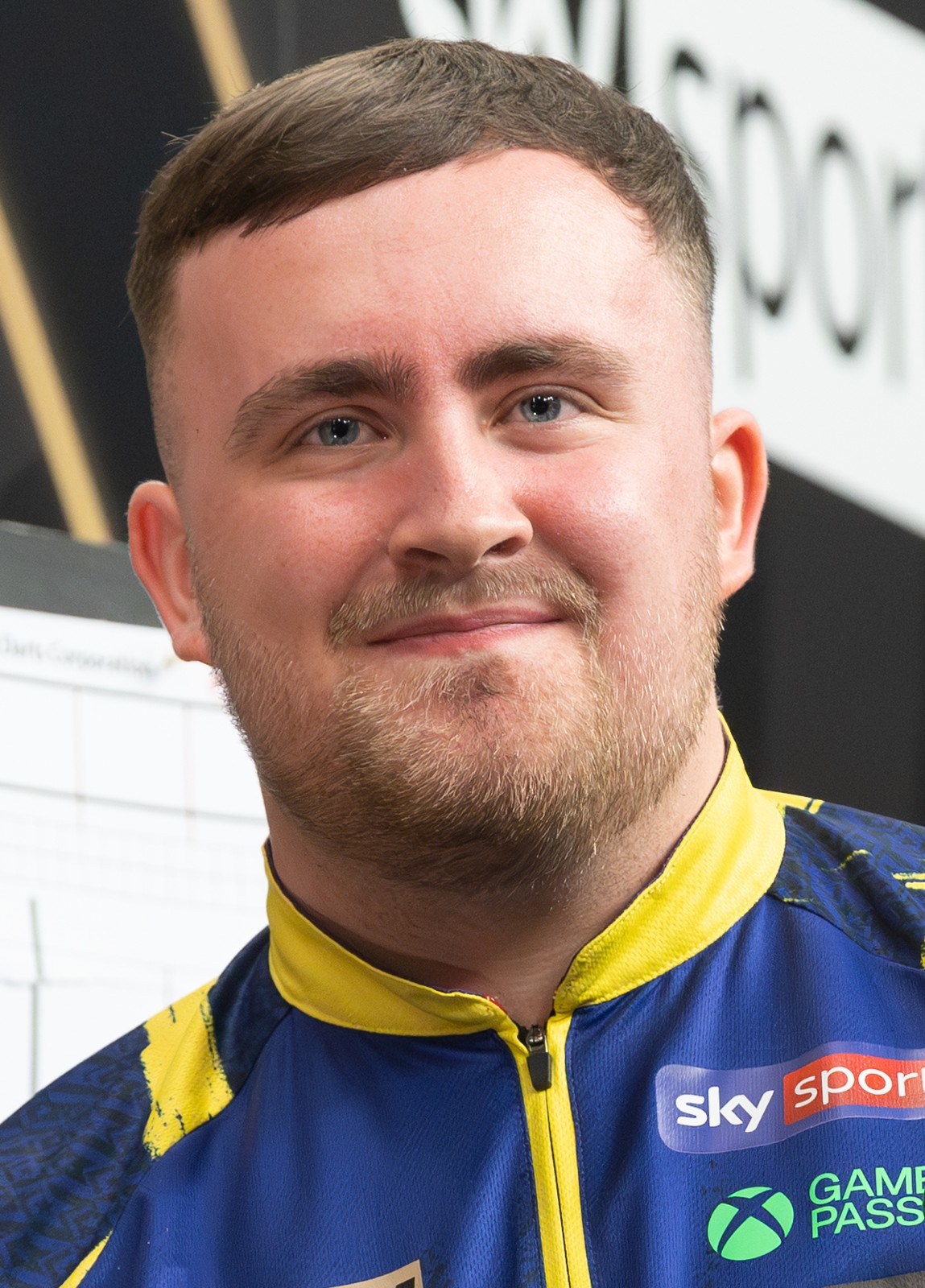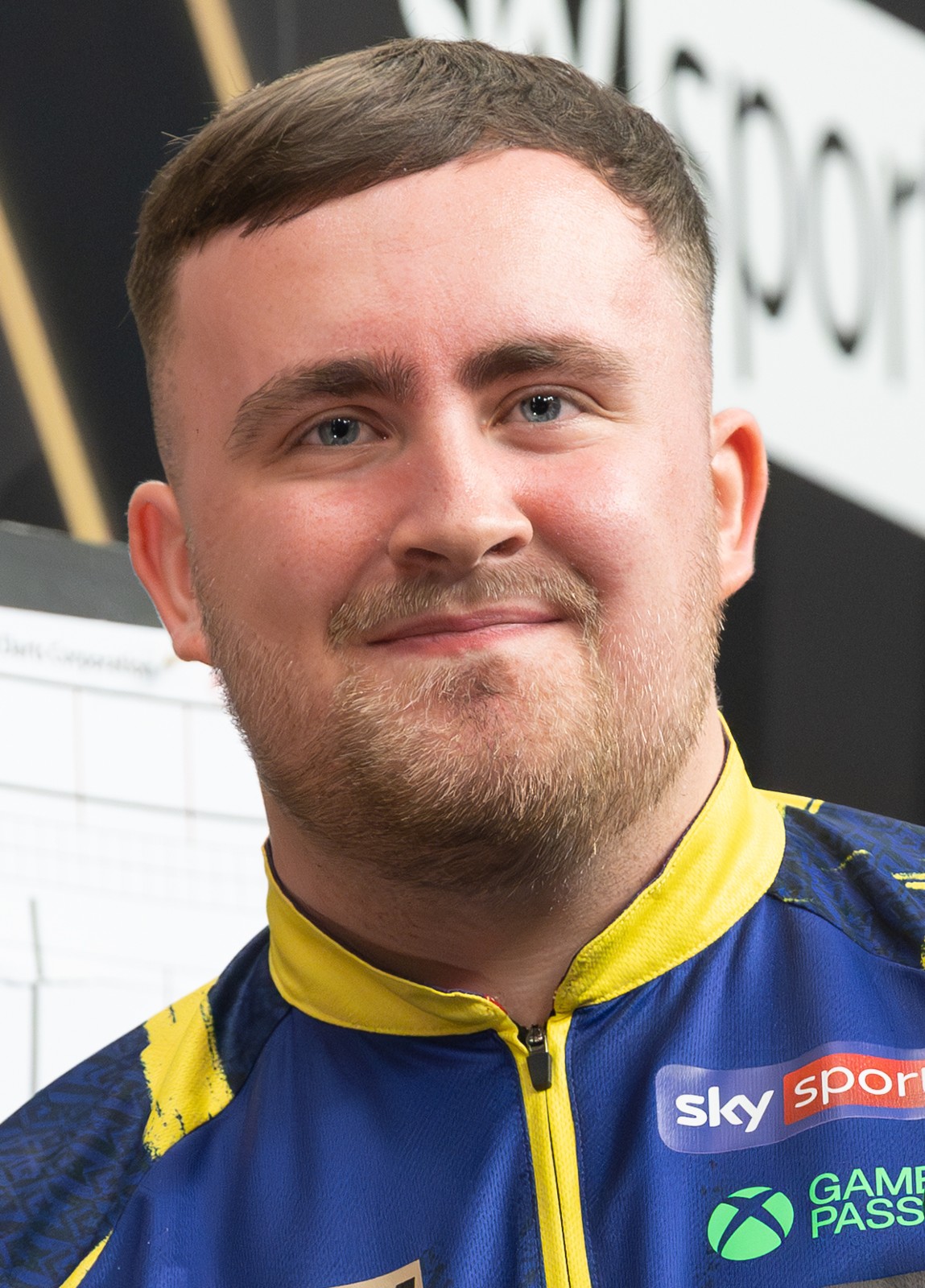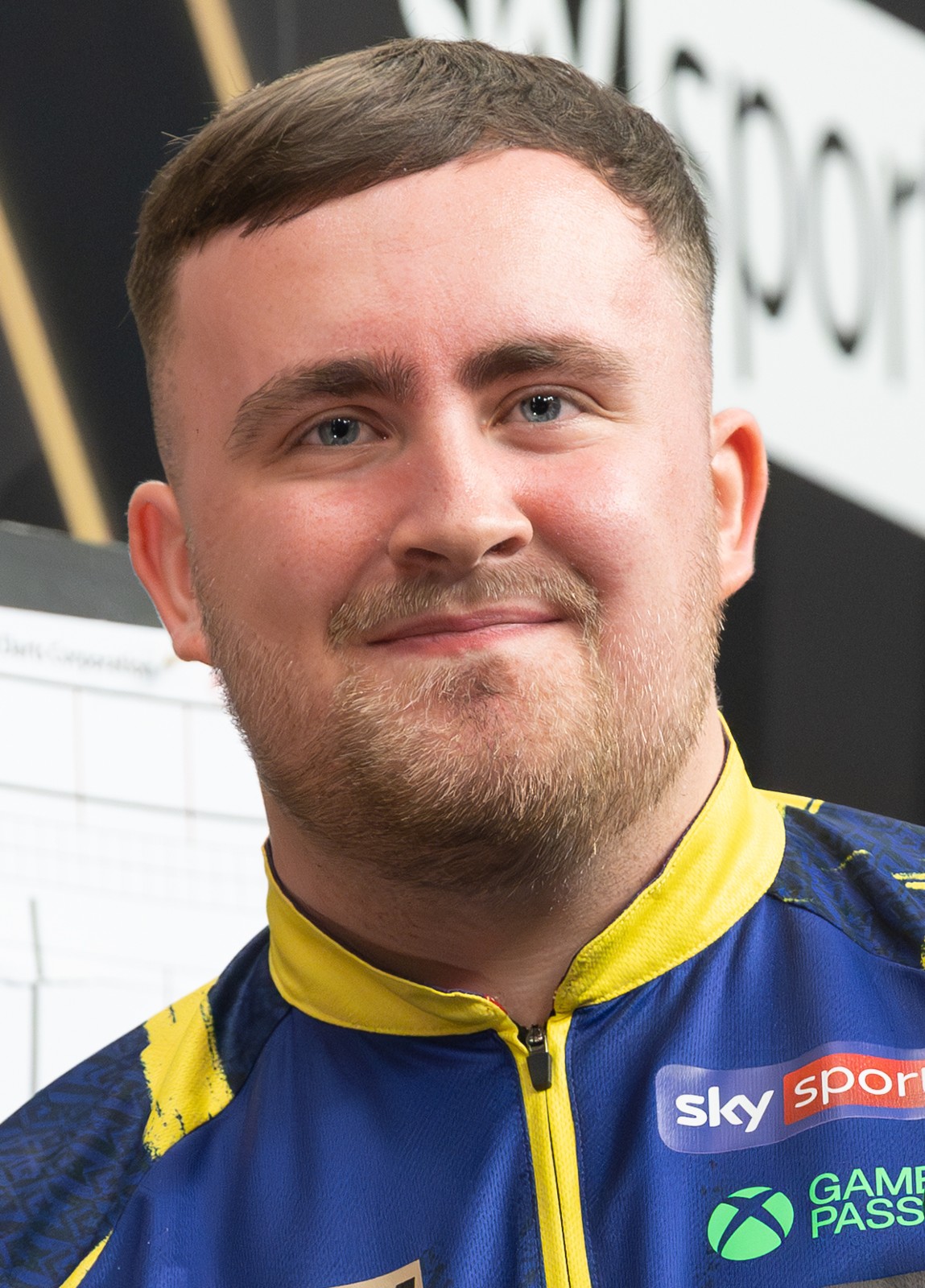
Luke Humphries believes that at his best, only one player on the planet could have lived with him. The former world champion made the bold claim after opening his Grand Slam of Darts campaign with a 5-3 victory over Paolo Nebrida, averaging 105.07 in Wolverhampton.
Reflecting on the standard he reached before illness forced him to miss the 2026 European Championship, Humphries said: "I felt that going into the European Championship I would have had the standard of play that everyone would have liked. Only one person probably could have beaten me at the standard I was playing at, and that would have been Luke. But, yeah, I'm not going into this thinking I'm the favourite now. Obviously, it's a long time since the World Grand Prix, so I go into this tournament thinking I'm probably second favourite."
Humphries was satisfied with his performance against Nebrida, despite some ups and downs on the doubles. "To be fair, the scoring was really good. I think the doubles were a little bit up and down in parts, but overall I'd say it was pretty decent," he said. "Obviously, it's a nervy game, the first one. With this new format, if you lose, unfortunately, you're out. I feel like that anyway. So it's important to win that first game because, whatever happens tomorrow, the likelihood is I'll probably have a straight shootout with Joe on Tuesday. If I don't, then there are going to be lots of permutations, and I don't like that. I'd rather just know where I stand, so let's see what happens."
The 31-year-old also discussed the challenge posed by Nebrida's rhythm. "I think he's probably one of the Asian players who actually does have a little bit of a quicker throw, and he's a little bit quicker picking his darts up and stuff," Humphries commented. "So, yeah, it wasn't too tough. Obviously, the Asian players – most of them are quite slow and methodical, like you say. It's not what we're used to as players, so sometimes it can be a little bit harder. But you just have to get on with it. I don't think he was too slow there. He didn't really affect my rhythm, maybe just making me wait a few more seconds than I usually would. But it's the stuff you have to get used to." He added: "I actually thought he played decently, to be fair. He's not going to be a walkover tomorrow. He's still in the tournament, and if he can get a good win tomorrow, depending on the permutations, he can still get through. I think he'll be proud of his performance. Obviously, I'm proud of mine, and, yeah, I look forward to Tuesday."
Humphries did not hold back on the new Grand Slam format, which has divided opinion. "Not really. I'm not really a big fan of it. I understand it from the PDC's perspective, but for me, what made the Grand Slam so special was the fact that there were four players in a group. You could lose your first game and be disappointed, but think, 'You know what? If I win my next two and play well, I can qualify.' With this one, it almost feels like a straight knockout again. I felt the Grand Slam was so special because there were so many permutations and all those types of things. So, yeah, I'm not really a big fan because I thought it was so special with 32 players and four players in a group. I think a lot of the pros backstage think the same as well, but it is what it is. You just have to adapt and try to learn these different ways. Pretty much, like I said, it's a straight knockout. You lose the first game and it's over. Previously, you could lose the first game but still stand a chance. So, yeah, it is what it is now."
After missing the European Championship due to food poisoning, Humphries returned to action on the Pro Tour, winning Players Championship 33 and reaching the final of Players Championship 34. He explained the importance of those events: "I mean, of course I didn't physically need to, but obviously, after missing the European Championship, I had to do it to see where my energy levels were. I'd sat down for two or three weeks, not really doing much and not really practising much. I did have a little practice three or four days before the Pro Tours, so I was going into it with a bit of practice. It was more to do with the fact that I needed to see where I was. Say if I had one or two games and all of a sudden I was really tired, I'd think, 'Right, well, I need to do something about it.' But, yeah, it went really well. The performances weren't absolutely incredible, but they were decent. To make two finals on the Pro Tours was really, really tough work, so I felt like it did me the world of good. Coming here, I felt in a confident mood and, as you say, I put in a decent performance."
He admitted the illness was a bitter pill to swallow. "You can ask any pro and they're going to be disappointed if they miss any major. But for someone like myself, who pushes himself to be in everything he physically can, every major, I want to be in everything. It's really, really tough. Obviously, in the World Grand Prix I played really well in the end, and I felt like I'd turned a new leaf. My form was finally starting to show a little bit of consistency, and all of a sudden this happens. The food poisoning meant I had to take a step back, and it's like, well, I haven't thrown for probably two or three weeks. Who knows? Am I going to come back and still be the same again, or are we going to have to work for two or three months to try to get back to that level? So obviously, the Pro Tours, as Phil just said, were really important. I needed to go there, perform decently and think, 'Okay, well, I've not just lost it all of a sudden.' But, yeah, I was really disappointed because I felt like I'd turned a new leaf. I was going into that tournament almost feeling like the favourite in my own mind. I felt like I could have won it, so it obviously disappointed me that I couldn't be there. But it is what it is. Life sometimes takes unexplained turns, and you can't really do anything about it."
On the world number one debate, Humphries insisted titles matter more than rankings. "No, to be honest with you, not really. I wasn't really thinking about the world number one scenario last year. Obviously, I just wanted to win this tournament. I think if Luke had made the final and I'd won it, it wouldn't have mattered – I still would have been world number two. But I'd rather have been world number two and won the Grand Slam last year than be world number one and not win it. They're obviously fantastic, and I'd love to stay at number two, maybe be number one one day again. But for me, it's about winning major tournaments, keeping myself at a consistent level, playing good darts and pushing all the top pros. That's what I've really come here for. I know that I'm a danger in every major I play in. I don't win them all, and I don't play in finals all the time, but when I come here and perform and play my best, I know I'm always a danger."