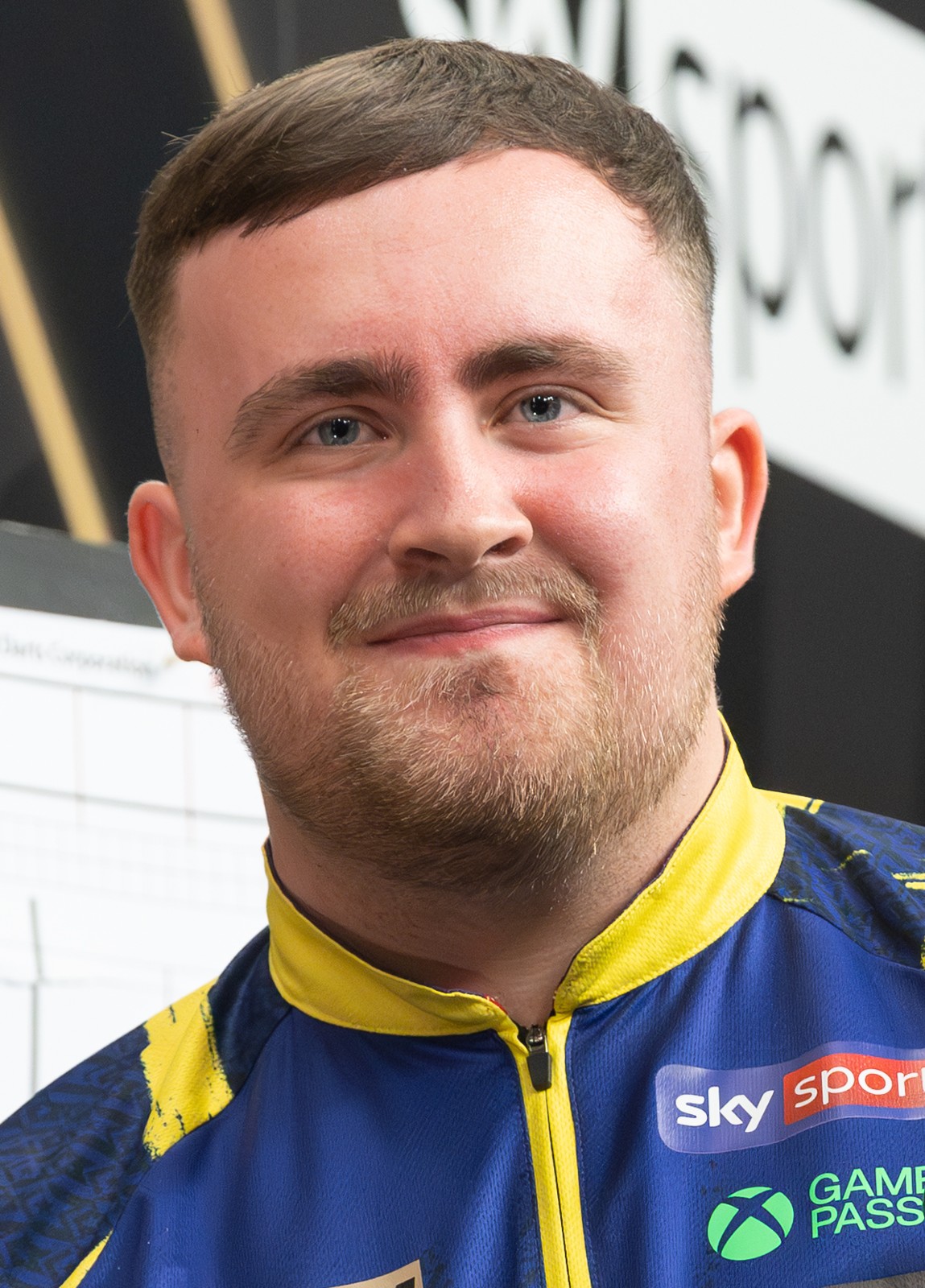
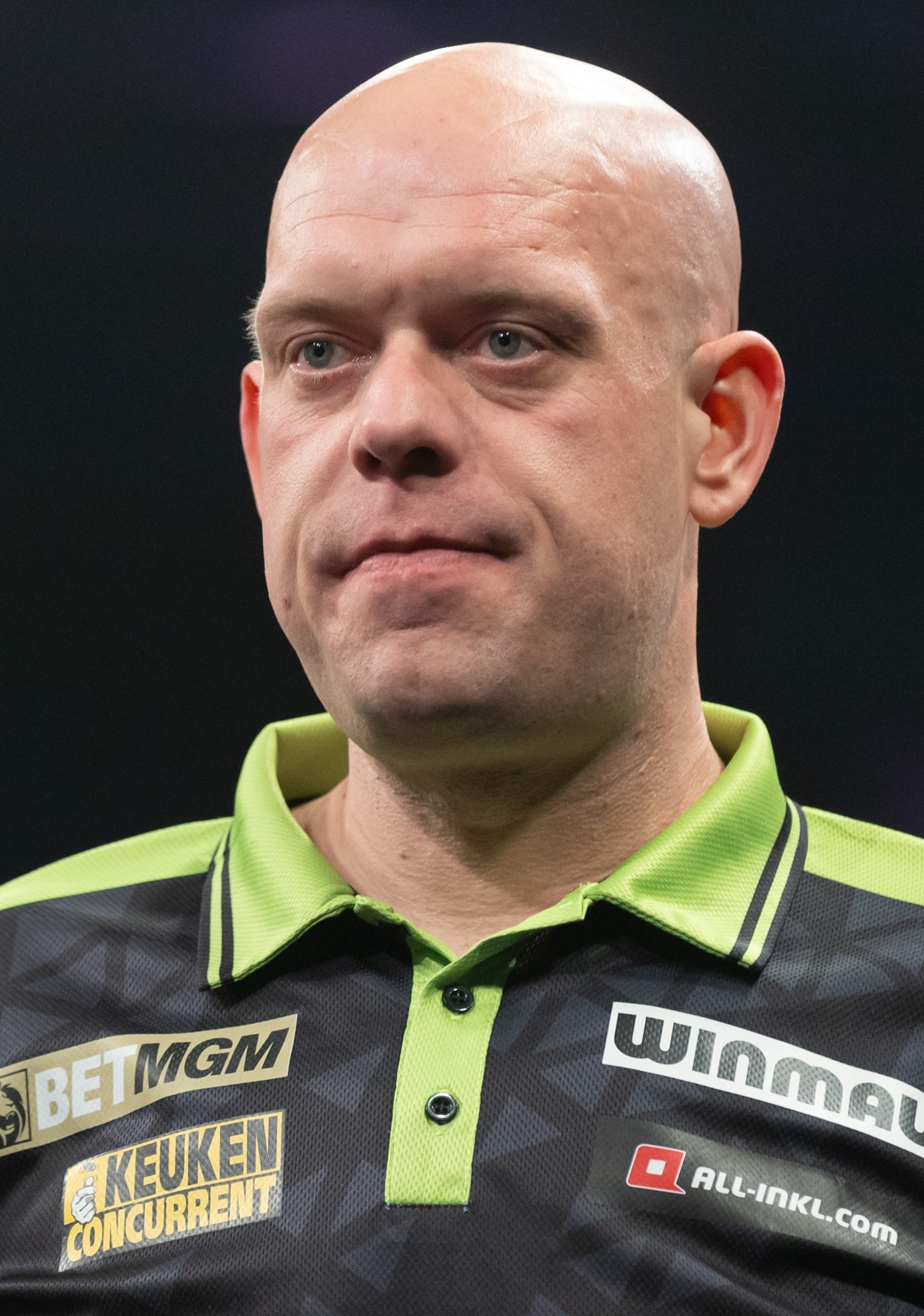
The 2026 Grand Slam of Darts, the 20th staging of the competition, is the first to use a radical new format that expanded the field from 32 to 48 players and introduced 16 groups of three. Under the new structure, only group winners advance to the knockout stages, and the change has already claimed significant scalps, with seven of the tournament's sixteen seeds failing to survive the group stage.
Among the most notable casualties were Ross Smith, Josh Rock and Jonny Clayton, whose losses to Rusty-Jake Rodriguez, Tommy Morris and Anton Östlund respectively ended their 2026 campaigns. The full list of seeds eliminated in the groups includes Jonny Clayton (seed 5, group winner Rob Cross), Ross Smith (6, Gabriel Clemens), Josh Rock (8, Kevin Doets), Stephen Bunting (9, Cameron Menzies), Wessel Nijman (12, Niko Springer), Chris Dobey (14, Martin Schindler) and Luke Woodhouse (15, Tom Sykes). Despite a prize fund increase to £1,000,000, up from £650,000 in 2025, players have expressed their distaste for the format, believing there was no need for change and that the pressure of the first game has created a different kind of pressure they aren't used to.
Luke Humphries summed up the mood, telling Online Darts: "I'm not really a big fan of it… what made the Grand Slam so special was the fact of four players… I think a lot of pros backstage think the same as well." James Wade added: "Everyone's scared to death of losing… as soon as you lose the first game, I think it's pretty much, unless you're very, very fortunate, you're out." Gerwyn Price described the format as "cut-throat. You can't slip up," while Stephen Bunting said: "They're the bosses at the end of the day."
The old format, used from 2007 to 2025, featured 32 players in eight groups of four with the top two advancing. Its one genuine flaw was the bracket, which paired group winners with runners-up from the neighbouring group, leading to rematches. From 40 quarter-finals between 2016 and 2025, 22 were rematches of group matches, including three from four in 2025: Humphries v Michael Smith, Price v Evans and Noppert v Wenig. The new format, however, kept the problem in a different form: the last 16 now ignores seeding altogether, pitting Wade against Michael van Gerwen and Price against Ryan Searle while two unseeded players walk into the quarter-finals.
The field composition has also drawn criticism. Televised finals produced 22 qualifying spots but only nine different players, with Luke Littler alone holding eight of them. The 48 places were filled by these nine televised finalists, six European Tour winners not already qualified, 13 Players Championship winners not already qualified, ten from affiliate and secondary tours and ten from Tour Card Holder qualifiers. As a result, 16 players not ranked inside the top 64 competed, and World Number Nine Stephen Bunting had to qualify while affiliate champions walked in. Twenty spots went to title-less players, and only Tom Sykes and Niko Springer made it past the group stage from those 20.
On the oche, the numbers tell a mixed story. Across the 48 group matches, the average stood at 93.81, the second-highest group stage since 2018 behind only 2024's 95.14, and 24 individual performances topped 100, including Rob Cross's 114.32 against Jonny Clayton, the fifth-highest average in Grand Slam history. But ten matches saw both players average below 90, the most of any Grand Slam since 2018, and ten were won by the player with the lower average. On the final night, with Ross Smith already finished on 1-1, the European Champion's fate was settled by Gabriel Clemens and Rusty-Jake Rodriguez, who averaged 85.47 and 85.93, while Alan Soutar's 5-2 win over Lisa Ashton, 84.85 against 74.80, was the lowest-quality game of the group stage and still shaped a group.
The change is part of a broader direction under Matt Porter, with a 128-player World Championship, a 48-player Grand Slam with a £1,000,000 prize fund, and a European Championship becoming a week-long, 48-player event with its prize money doubling to £1,000,000 in 2027. A new European Open in Salzburg next June, an open-draw major styled on the UK Open, has been explained by Porter, who said: "We're very conscious of the need to ensure that all tour card holders have an opportunity to play on the big stage." With 34 Players Championships and 15 European Tour events, 49 floor events now fill the PDC year, and Porter himself has described the European Tour as close to its natural ceiling.
So who is this change for? Not the players, with Humphries, Wade and Price all criticising the format during the tournament itself, and nor is the scepticism confined to the players, with plenty of pundits and supporters voicing similar doubts across the opening weekend. The new Grand Slam is a commercial decision presented as opportunity, and it fails on both counts. It didn't fix the old format's one genuine flaw, and it replaced it with a last 16 that ignores seeding altogether. It handed 20 places to the affiliate tours and the qualifier rather than to titles, while Danny Noppert, Gary Anderson and Damon Heta, all ranked inside the top 25, watched from home. The fix is simple: a smaller, title-based field of 32 and a reworked bracket that keeps group-mates apart until the semi-finals at the earliest. The Grand Slam earned its reputation by being hard to get into. Expanding it hasn't made it bigger, it has made it ordinary.