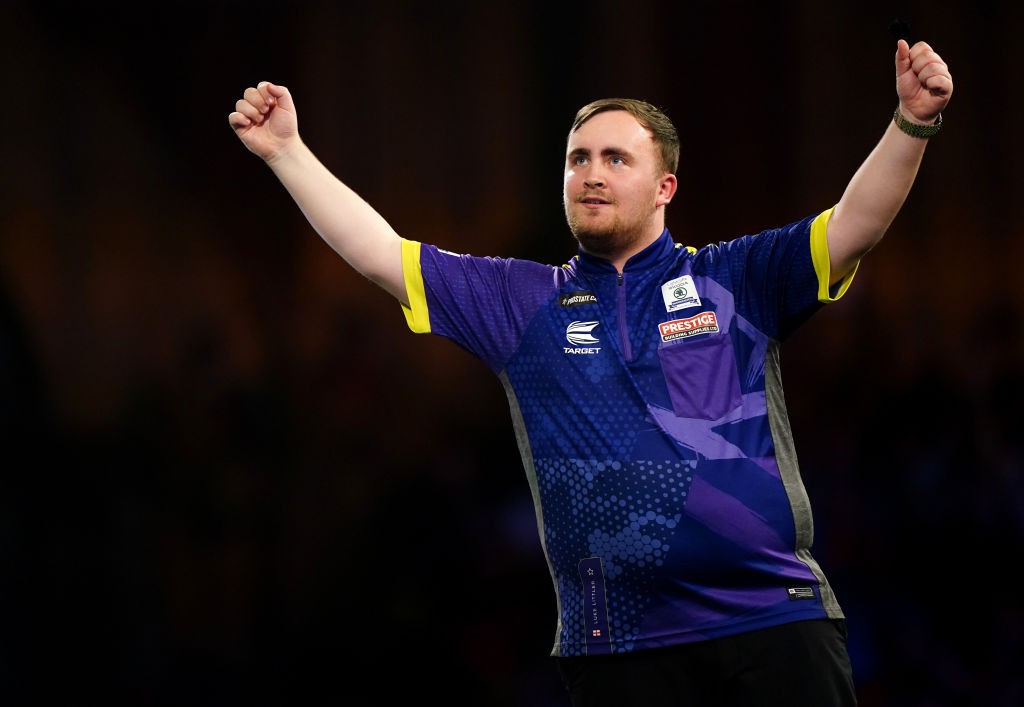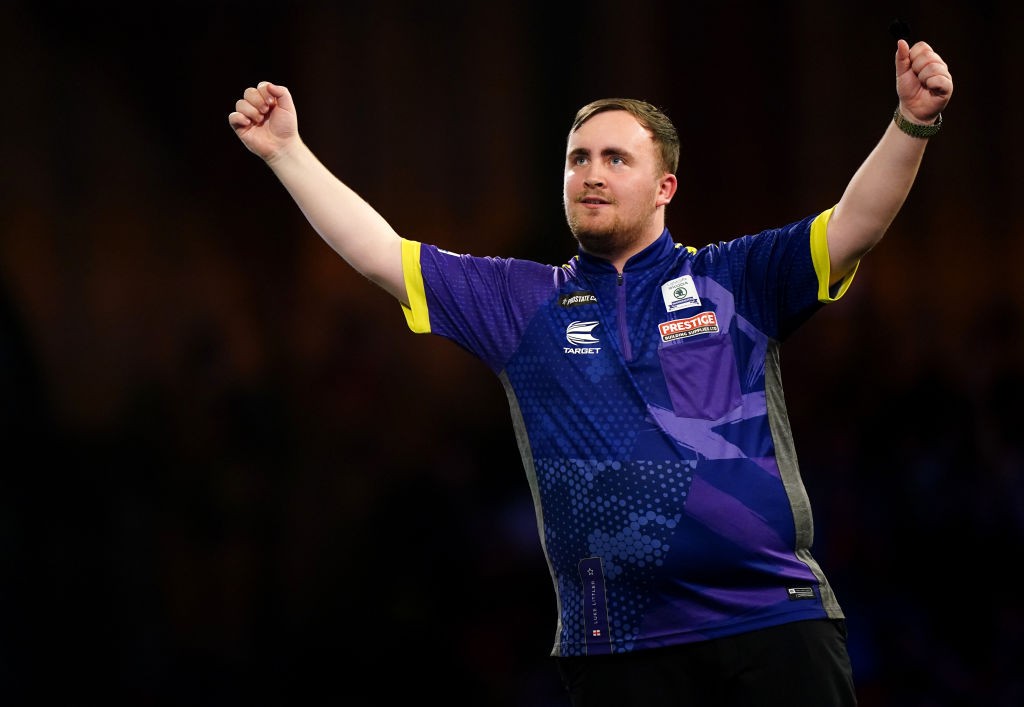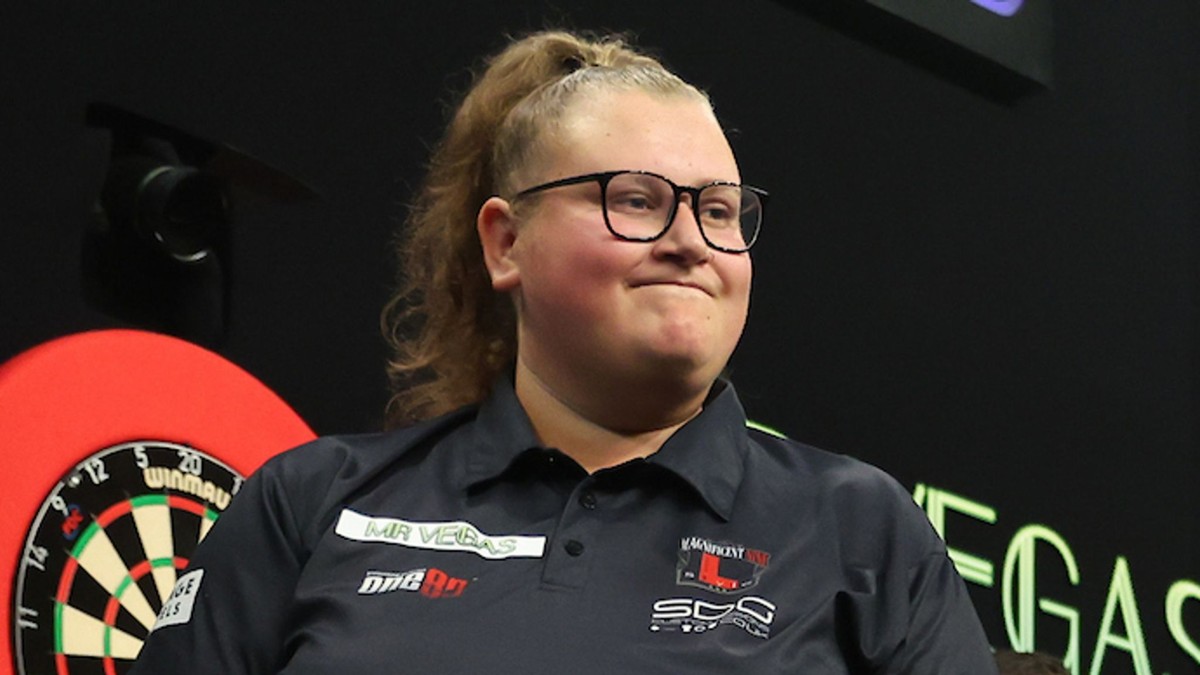
Wayne Mardle believes darts is already in the middle of a generational shift, and that change is only going to accelerate. From the emergence of teenage stars like Luke Littler to the barrier-breaking rise of Beau Greaves within the PDC system, the sport is moving rapidly towards a younger, more professional future. But while that evolution is redefining what a top-level darts player looks like, Mardle also sees a growing weight of expectation on those leading it, particularly Greaves as she continues to push into new territory.
“Beau has a massive responsibility,” Mardle said during his interview with Darts Planet. “Because she's a young female that is plying her trade in the male-dominated professional darting environment.” That context has only intensified in recent months. Greaves has already delivered one of the standout moments of the year with a nine-darter on the PDC ProTour, while continuing to establish herself as a genuine presence within the wider professional structure rather than a crossover name. Mardle pointed to the broader impact of her performances, particularly for the next generation watching closely. “If she buckles and folds at any point, the girls may be thinking that we can't compete. Because Beau's way better than me and she can't compete, how can I?” That is where the responsibility lies. Not in proving her own level, but in what that level represents.
Mardle was clear that, from a purely technical perspective, Greaves already belongs. “Her throw is one of the best on tour. The action, the smoothness, the rhythm, everything about the routine is just world-class. She can throw world-class darts alongside any man.” The next step, in his view, is equally clear. “I want her to win sooner rather than later because it will show every single girl that wants to pick up a dart that we can do this.”
Greaves’ rise sits within a wider shift that Mardle believes is already reshaping the sport at every level. “Gone will be the days of overweight middle-aged men,” he said. “We won't exist.” He expanded further: “There's going to be teenager versus teenager in the World Championship. I thought it would have happened before now.” That expectation reflects what is already unfolding across the 2026 season. The emergence of teenage stars like Luke Littler, alongside the continued rise of players such as Gian van Veen, has accelerated a trend towards younger contenders competing deep into major tournaments. Mardle also pointed to how different the sport looked in previous eras. “There were times when the average age would be like 50 when Phil Taylor was taking on like Dennis Priestley or Raymond van Barneveld or Simon Whitlock or Gary Anderson in a final.” That contrast underlines the scale of the shift now taking place. “Just expect more teenagers,” Mardle added. “I think the world of darts will relish that because they will become leaner, meaner darting machines.”
Speaking from inside a newly opened darts venue, Mardle pointed directly to the environments now being created for young players as a defining factor. “No way did anyone envisage this kind of growth in darts, but here we are. I'm hoping this is going to be the blueprint.” Reflecting on his own early experiences, he contrasted them with the facilities now available. “I played in a tenants association social club… there'd be a bucket catching rainwater and we weren't playing outside.” By comparison, the modern set-up offers something entirely different. “They can come in here, it's their safe space. They can practise for as long as they like on world-class facilities… How often does a young kid get a chance to play on the main stage?” For Mardle, that exposure is crucial. “If you get used to it early, you've got such an advantage.” The long-term impact, in his view, is inevitable. “There's going to be world champions come out of this room. There's no doubt about it.”