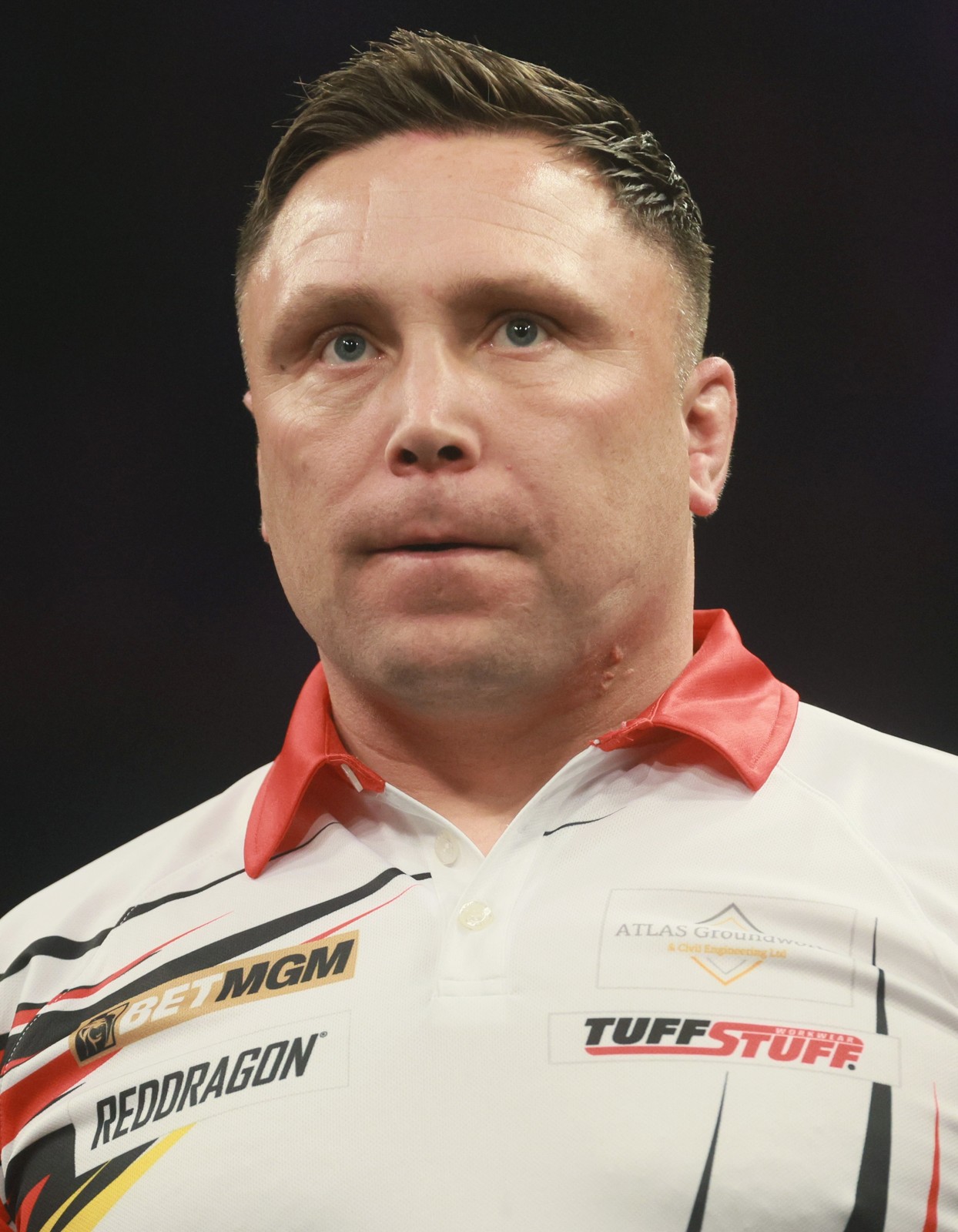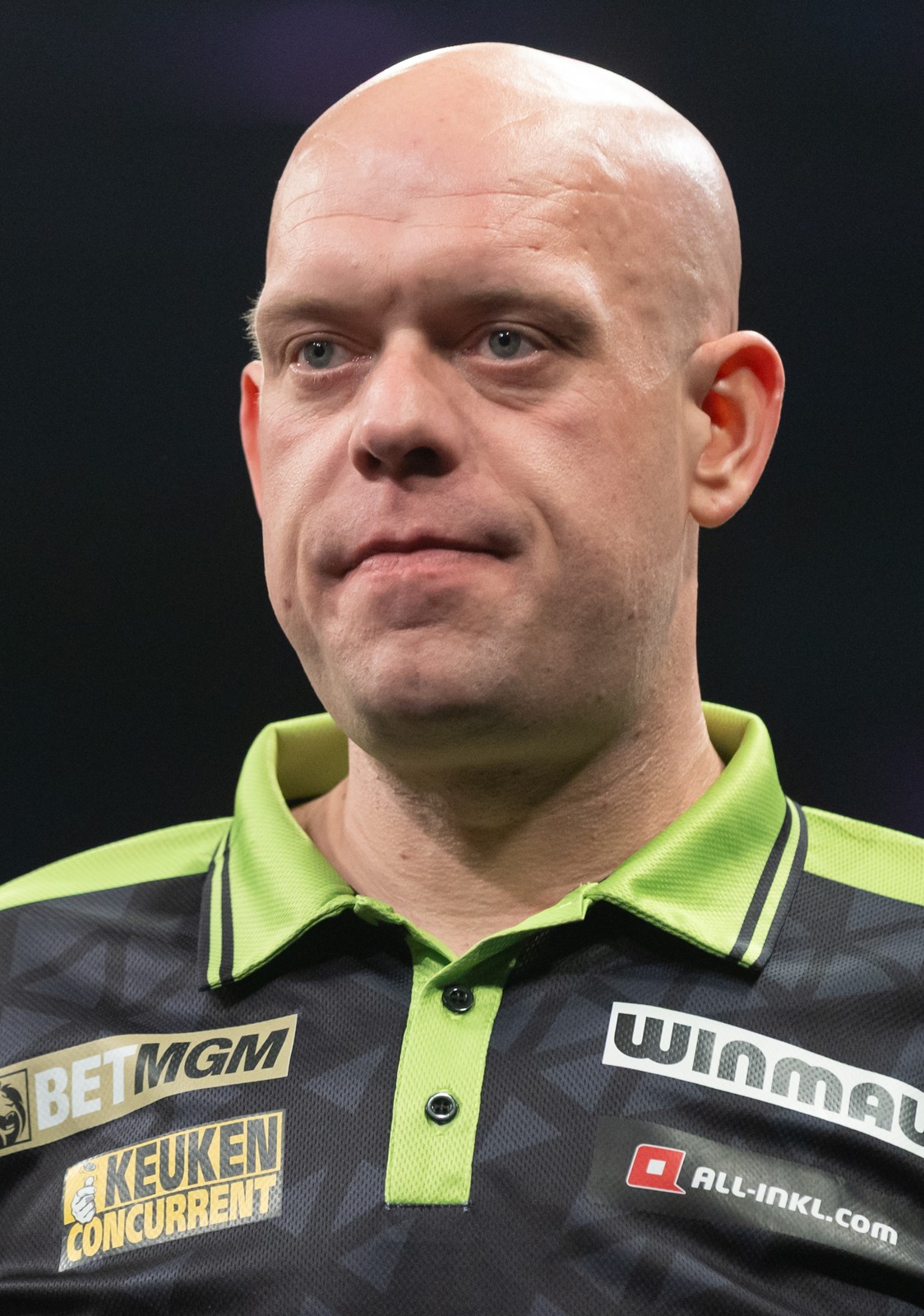
Michael van Gerwen enters the 2026 World Series of Darts Finals as the number one seed, having accumulated 32 points across the season. But if history is anything to go by, that top billing may be more of a burden than a blessing. Since the tournament's inception in 2015, the number one seed has won the event just three times — a 27.3% win rate. In eight of eleven years, the top seed has failed to lift the trophy.
The seeding system is based on PDC World Series of Darts Ranking Points won at events spread across the year. Stephen Bunting, last year's top seed, won events in Bahrain in January and Copenhagen in June — a six-month gap followed by a three-month gap before the World Series of Darts Finals. Unlike the World Championship, where form in the months following the event often indicates the eventual winner — seen most clearly with the last four Grand Slams of Darts winners going on to win the World Championship the next year — top seeds here don't ride the same wave. The tournament is also a non-ranking major, lowering player pressure and allowing deep runs from players out of form or outside the top four.
The record of number one seeds makes for grim reading. In 2015, Phil Taylor was seeded one and lost to Michael van Gerwen in the semi-finals, with Van Gerwen seeded three. Van Gerwen won as top seed in 2016 and 2019, and Luke Littler did the same in 2024. In 2017, Gary Anderson was runner-up as seed one; in 2018, Peter Wright lost in the second round; in 2020, Van Gerwen fell in the second round; in 2021, he reached the semi-finals; in 2022, Dimitri Van den Bergh lost in the second round; in 2023, Rob Cross went out in the quarter-finals; and in 2025, Stephen Bunting was runner-up. The number one seed has been knocked out in the second round as many times as they have won.
Winner seedings across the eleven years tell their own story: seed one has won three times (2016, 2019, 2024), seed two twice (2017, 2022), seed four twice (2021, 2023), seed three once (2015), seed seven once (2020), seed ten once (2025), and an unseeded player once (2018, when James Wade upset the odds). That constructs a median seed of three, with the top four seeds having won eight of eleven titles. In 2026's draw, two of the top four players face international qualifiers, showing a higher seed may grant an easier draw — but seeds five through eight hold the same privileges and have won the tournament just once.
The highest average player has won the World Series of Darts Finals four times in eleven years — a 36.4% win rate, just one more winner than the number one seed. In seven of eleven years, the player producing the best darts across the tournament left without the trophy. The most extreme example came in 2017, when Dimitri Van den Bergh averaged 105.21 — the highest individual tournament average in the event's eleven-year history — and James Wade won it averaging 96.11, overcoming a 9.10-point deficit. In 2022, Peter Wright averaged 103.11 and lost; in 2023, Dirk van Duijvenbode averaged 103.20 and lost. The explanation lies in the format: the World Series of Darts Finals uses a leg format throughout, meaning every double attempt is a match-winning opportunity. A player averaging 103 but finishing at 36% is scoring brilliantly between missed doubles, while a player averaging 97 at 44% is converting the positions their scoring creates. In every year where the highest average player failed to win, the winner had a higher checkout percentage. The 2025 final proved this most visibly, with the losing finalist averaging 101.99 to the winner's 98.37, yet a checkout percentage of 47.83% versus 35.00% decided it. Neither the seedings nor the averages fully predict the winner. The doubles do.