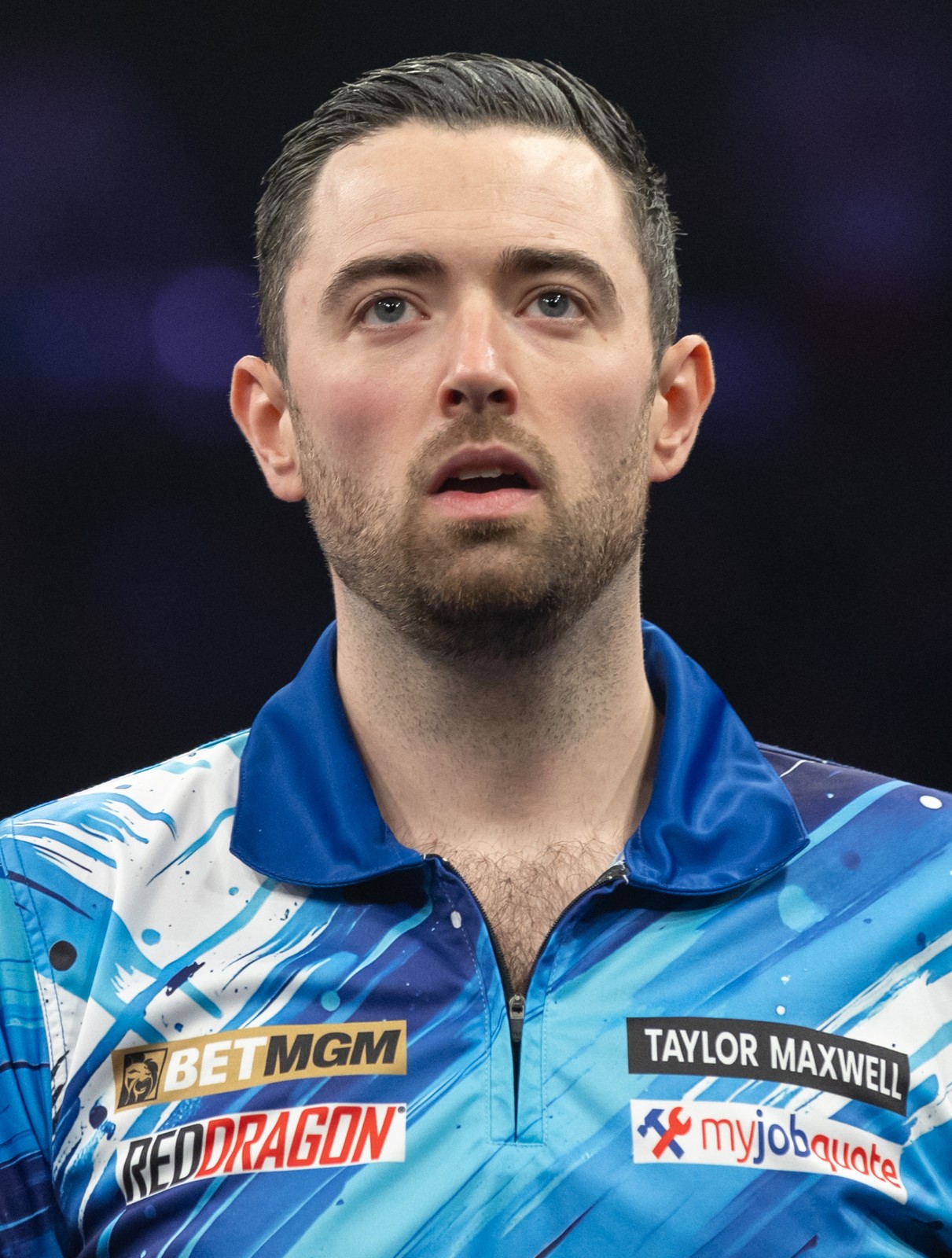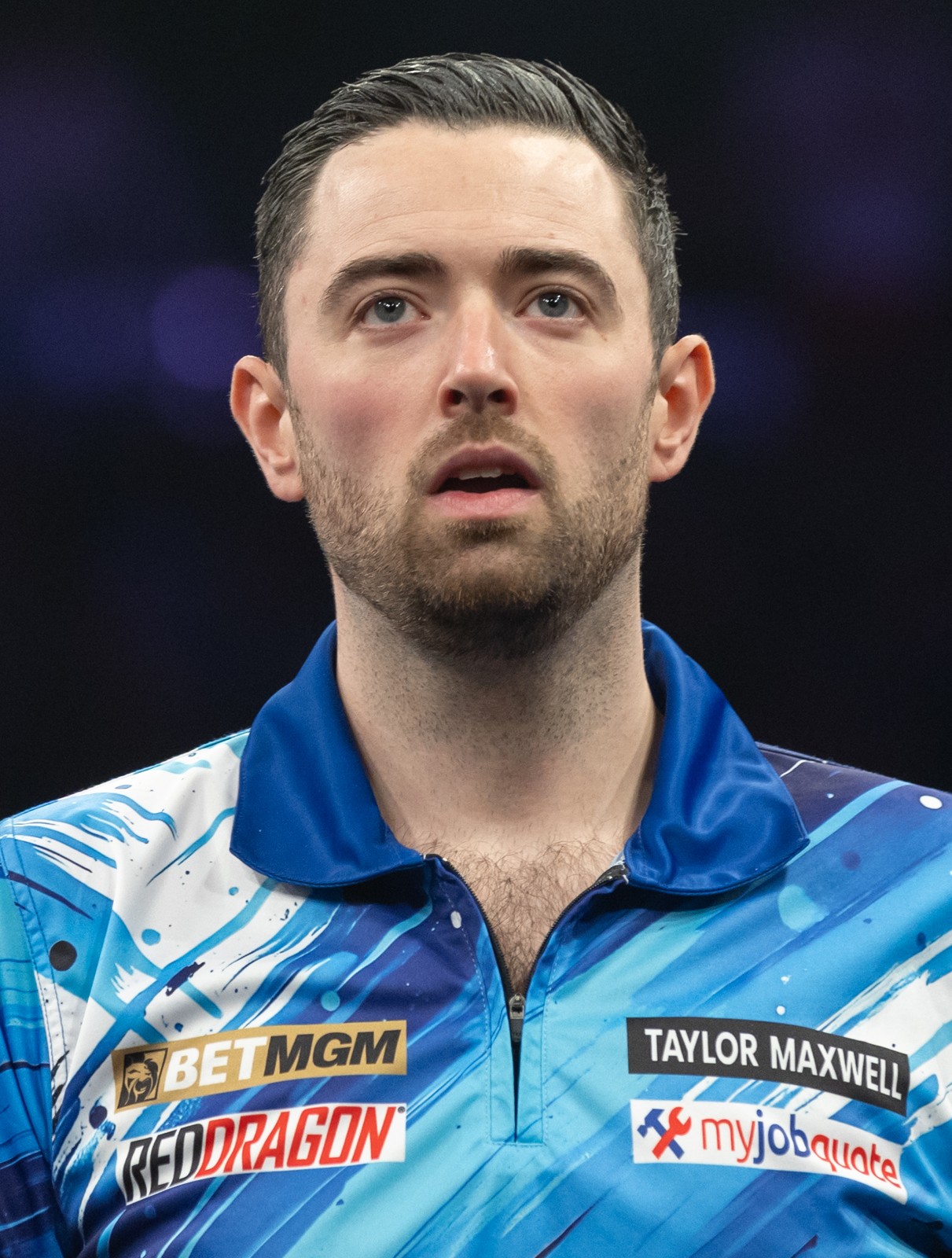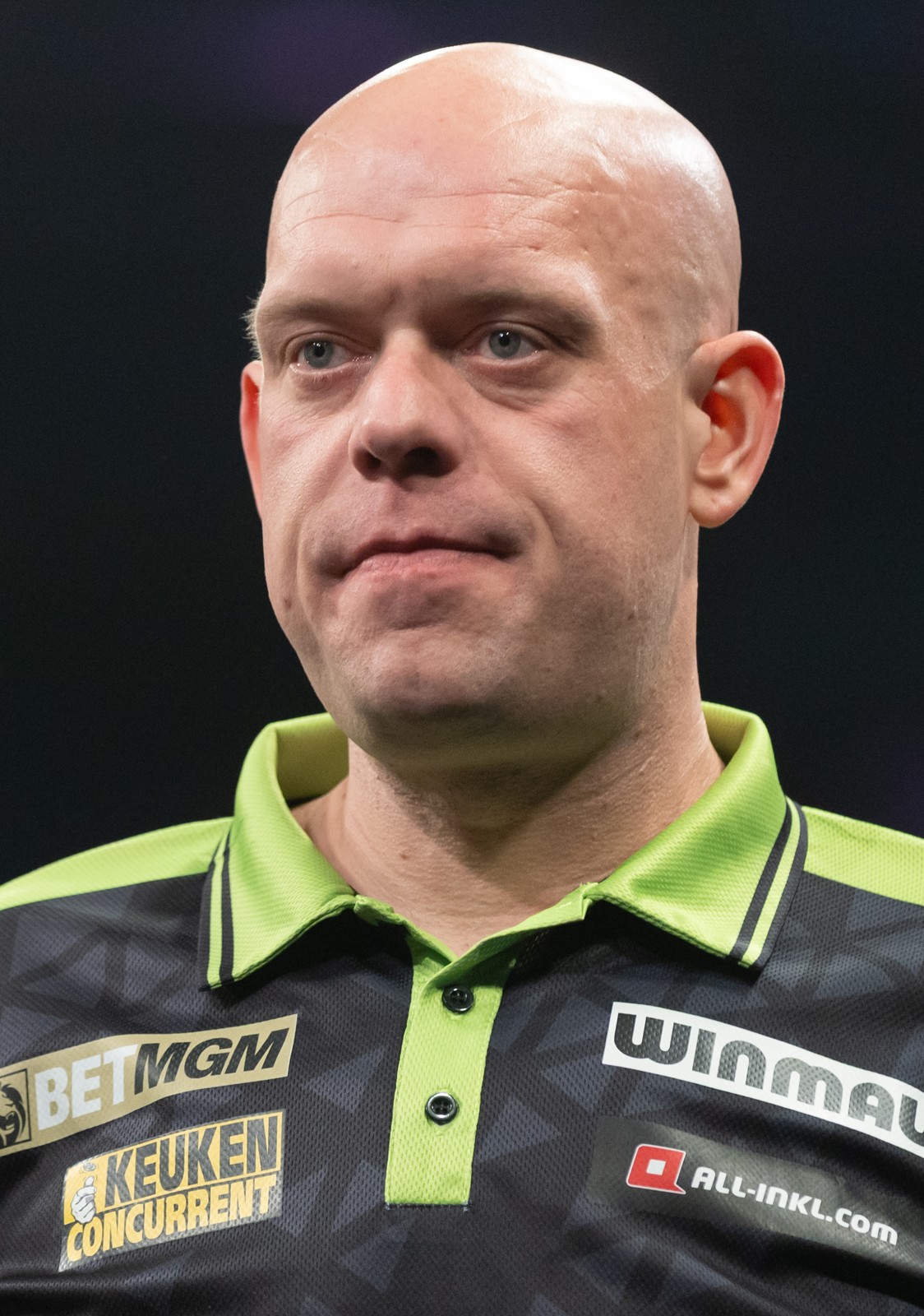
Gian van Veen battled past compatriot Dirk van Duijvenbode 2-0 in sets at the World Grand Prix in Leicester on Tuesday, reaching the second round of the double-in, double-out tournament and finally burying his difficult memories of the event. Afterwards, the Dutchman opened up about his renewed confidence, a tough spell earlier this season, and the mental coaching that helped him turn things around.
Van Veen admitted the win meant everything, given his past heartbreak at the World Grand Prix. "It really meant the world to me because the past two years I played really well here and lost my first game," he said. "Today I played much worse, but my opening double was very good. I think it was six out of seven or whatever in the first couple of legs. My scoring just wasn't there." He noted that Van Duijvenbode initially failed to capitalise: "Dirk let me in for the first set and a half. Then, as soon as he started playing really well, I was in trouble." The match hinged on a crucial 69 checkout on double 16, which Van Veen described as decisive: "That's why that double 16 for the 69 finish meant so much to me. I knew if I missed that and he hit double eight, it would have been 1-1 in sets and I was going to be in big trouble."
That moment, Van Veen believes, shows his confidence is returning. Since the World Matchplay, he has seen a clear improvement. "One hundred per cent, yes," he said when asked if he was approaching his best level again. "This year has been tough, but the last couple of weeks and months have been really good, especially since the World Matchplay. The European Tour over the last couple of weeks, and Amsterdam last week, were good for me as well." He compared this victory to matches he would have let slip months ago, referencing his win over Sedlacek: "A couple of months ago, I would have lost that game. It's the same with this game. The double 16 I hit for the 69 finish showed how much confidence I have in my own game. A couple of months ago, I probably would have missed that because I was doubting myself too much. Those are big steps for me. Maybe I'm not back to where I was at my peak last year, but I'm getting there. It's close."
Van Veen's resurgence has not come easily. Earlier this season, he endured a rough patch, especially on the European Tour. "Very tough. I played so many European Tours, week in, week out, where I lost my first game," he recalled. "I was lying in bed in the hotel room thinking, 'How do I turn it around?'" He sought support from those around him and put in extra work. "It was difficult, but I've spoken to the right people. I've practised a lot. I've really put the effort in, and I think that's what turned my game around. It's showing now. Hard work always pays off, and it's showing right now. I'm glad it does." Alongside his friends, family and girlfriend, his mental coach has been key. Van Veen has worked with him for around two and a half years and leaned on him more during the tough spell. "My friends, family and girlfriend have always had my back. That's important, but you also need to talk to the right people," he explained. "I'm someone who always keeps my thoughts to myself, but that's not how it works. I've had a mental coach for the past few years as well. I've spoken to him quite a lot over the last couple of months, just talking about my feelings and what I feel is going wrong. That's important not only for my darts career but also for my personal life."
He also sees mental coaching becoming more accepted in darts, driven by the sport's rapid growth. "Five or ten years ago, people would say, 'No, that's not for us. We just throw a dart at a dartboard. That's it,'" he said. "But the sport is changing. The pressure on every single player is changing, and I think it's necessary." With more tournaments, prize money and media attention, Van Veen believes players face far more pressure than before. "There are many more tournaments, more prize money and more pressure. The media attention is getting bigger every week," he said. "All the players are under much more pressure than they were maybe two years ago." He stressed the importance of talking things through: "I think it's necessary to talk that pressure off you, talk about your feelings, what you're doing, how you're feeling and what kind of pressure you're under. Maybe five years ago, people didn't talk about it too much and players didn't do it. Now I think it's very important."
Van Veen also addressed the extra expectations that come with his rising status in the Netherlands, especially as Michael van Gerwen's dominance has waned. "Of course, you feel the pressure. The crowd is behind you, and you get different media requests and interviews from the Dutch media," he said. "But I was very confident about my own game, so then it's okay." He acknowledged that Van Gerwen's poorer results add weight: "You always feel that pressure, especially with Michael dropping off a little bit, which is terrible to see as a Dutchman. You get that extra pressure: 'Okay, he's dropping off. You now need to perform because we're used to Michael winning all the tournaments, and we need someone else.' That's not really how it works, but you always feel that pressure." Between six months and a year ago, that burden was particularly heavy. "Especially after the World Championship, when I overtook him, I always said Michael was always going to be Dutch number one," he explained. "I still think that because of his legacy, but it's difficult to say that right now because of the way he's performing." He also recalled earlier meetings with Van Gerwen: "Throughout the year, maybe during the Premier League as well, I felt that pressure: 'Okay, everyone says I'm the Dutch number one, but I still need to play Michael a couple of times, and I keep losing to him.' I felt the pressure back then." That feeling has now largely vanished. "Michael lost yesterday to Ryan Joyce and, as weird as it sounds, it's not that much of a shock anymore, as it was 12 months ago," Van Veen said. "I don't feel that pressure anymore, and I think that's really benefiting my game."
The past year has brought new experiences, including the Premier League and World Series. His first Premier League campaign did not go as hoped. "It's been what I expected in terms of the attention and all that stuff, but it hasn't really gone how I wanted it to, especially the Premier League," he said. "It's been tough, but it's also been a very big learning curve." He believes the experience will pay off: "I know what it's like to play in all those venues, what the practice room is like and what it's like to play 16 Thursdays in a row." Looking ahead to a possible return in 2027, he said: "I'm looking forward to being back there next year if I get the invite, but it's looking good. I don't want to get ahead of myself, but I know what it's like. I've experienced it before. Even though it didn't go as planned this year, I think it'll go much better next year."